Post-Surgery Rehab
Mobile Post-Surgery Physical Therapy in Scottsdale
We come to you in Scottsdale, Paradise Valley, Phoenix, Tempe, and Mesa.
Surgery may address the underlying problem, but recovery doesn't end in the operating room. Healing is your body's natural tissue repair, while rehab restores how you move. Without it, many patients deal with long-term stiffness, weakness, or recurring pain, even after a technically successful surgery. As a mobile practice, we come to you, so you don't have to drive to appointments while you're still healing.
Total and Partial Joint Replacements
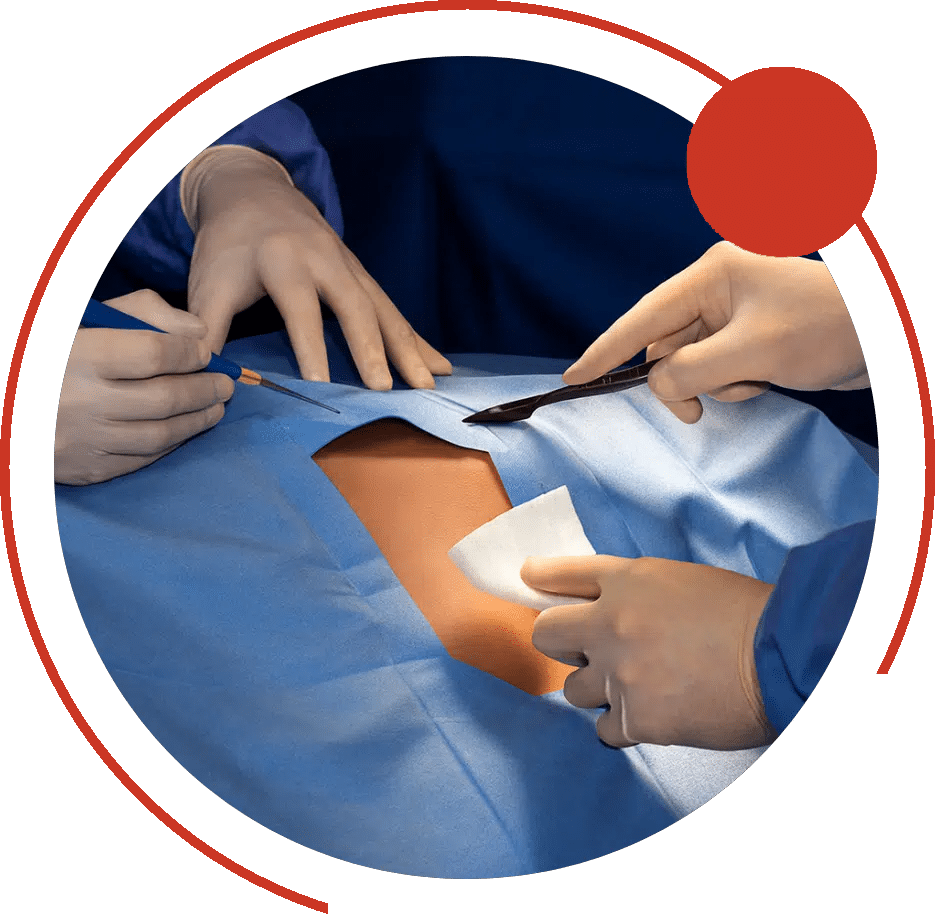
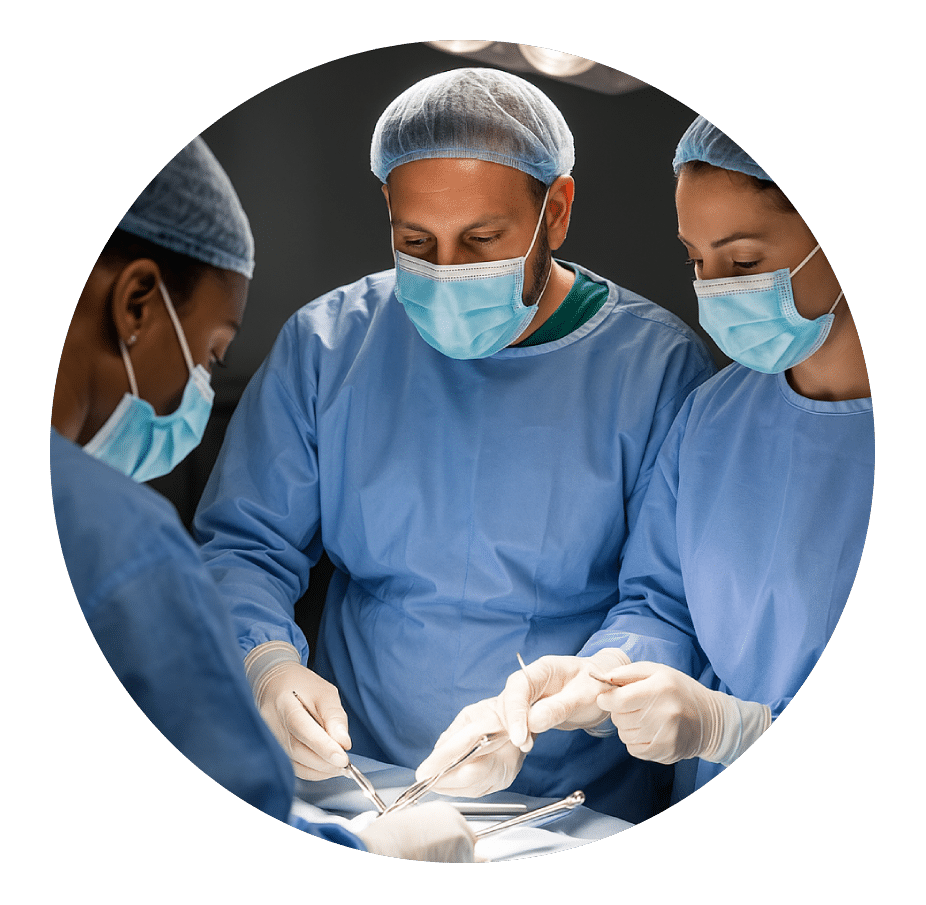
In a total joint replacement, the surgeon removes the worn surfaces of a joint and puts artificial parts in their place. Hip, knee, and shoulder replacements are the most common. A partial joint replacement does the same for only the worn part of a joint, most often in the knee. Since more of your natural joint is preserved, recovery is often faster than after a total replacement.
Rehab for both usually begins within a day or two of surgery and focuses on walking, range of motion, strength, and getting back to daily activities safely. We treat you at home, so we can practice the exact tasks you need, like getting in and out of bed, stepping into the shower, and climbing stairs.
Post-Surgical Challenges
After surgery, it's common to have pain, swelling, stiffness, weakness, and reduced mobility in the affected area. Scar tissue can also form and limit flexibility. Recovery isn't always a straight line, and without proper rehab, these challenges, along with a fear of movement, can slow your progress and make it harder to return to the activities you enjoy.

Common surgeries we treat include:
 Joint replacements (hip, knee, shoulder)
- Ligament or tendon repairs (ACL, rotator cuff, Achilles)
- Arthroscopic surgeries (knee, hip, shoulder)
- Labral repairs (hip or shoulder)
- Spinal surgeries (fusion, discectomy, laminectomy)
- Fracture repairs with plates or screws
Common symptoms include:
- Pain and swelling around the surgical site
- Stiffness or limited range of motion
- Weakness in surrounding muscles
- Difficulty walking, lifting, or performing daily tasks
- Numbness or tingling after certain surgeries
- Fear of movement or reinjury
How Physical Therapy Helps You
Post-surgery rehab starts gently and progresses as your body heals. Early sessions focus on reducing pain and swelling, and blood flow restriction training can be used to help limit muscle loss soon after surgery. Later stages add strength training, balance exercises, and practice with the activities you need to live independently, work, and play sports.
Your physical therapist will track your progress closely, adjust your program based on your surgeon's guidelines and healing timeline, and teach you safe ways to move. Scar tissue management and hands-on techniques, including dry needling for muscle tension and pain, are also key parts of recovery. As a mobile practice, we come to your home, so you can focus on healing instead of getting to appointments.
We also help athletes recover from surgery and return to their sport, including grapplers, weightlifters, and golfers.
Ready to start your recovery? Contact us for a free phone consultation and to schedule your initial appointment.
Call NowFrequently Asked Questions
It depends on the type of surgery. Some programs begin within days, while others require a short healing period first. Your surgeon and therapist will set the safest timeline.
Some discomfort is normal as you regain motion, but therapy should never cause sharp or worsening pain. The focus is on safe, gradual progress.
Recovery varies based on the procedure and your overall health. Minor surgeries may require a few weeks, while joint replacements or ligament repairs may take several months.
Without therapy, you risk stiffness, weakness, scar tissue build-up, and long-term loss of mobility. Skipping rehab can limit the overall success of your surgery.
Yes. A tailored rehabilitation plan prepares your body to safely return to higher-level activities by rebuilding strength, flexibility, and confidence in movement.
Yes. We're a fully mobile practice, so we come to your home for every session. You don't have to arrange rides or drive while you're still healing, and we can work on the real tasks you need, like getting in and out of bed, moving around your kitchen and bathroom safely, and going up and down stairs.
Ready to Move Better and Perform at a Higher Level?
Whether you have questions or are ready to get started, reach out and we'll get back to you promptly. You can also call or text us directly to speak with Dr. Phil Yoon.