

Vestibular Rehabilitation
Mobile Vestibular Rehabilitation in Scottsdale
We come to you in Scottsdale, Paradise Valley, Phoenix, Tempe, and Mesa.
Vestibular rehabilitation is an exercise-based program that treats symptoms caused by inner ear and balance disorders. It helps reduce dizziness, vertigo, blurry or jumpy vision with head movement, and unsteadiness. Treatment is tailored to your specific symptoms and goals.
Causes and Impact of Vertigo
Vertigo and balance problems happen when the vestibular system in your inner ear isn't working properly. Head or neck trauma, concussions, and inner ear infections can all cause symptoms, but the most common cause is benign paroxysmal positional vertigo (BPPV). "Benign" means it isn't dangerous, and "paroxysmal" means symptoms come on suddenly in brief episodes, usually triggered by certain head movements.
Vertigo can be debilitating, often causing dizziness, nausea, and trouble staying upright, which can interfere with work, daily activities, and independence. Learn more about causes and symptoms on our vertigo and balance page.
Examples of Vestibular Rehabilitation

Canalith repositioning
Maneuvers that move loose inner ear crystals to relieve BPPV
Gaze stabilization exercises
Training that helps your eyes stay focused while your head moves
Habituation exercises
Gradually reduce dizziness triggered by specific movements or busy visual environments, like walking down grocery store aisles
Who Can Benefit
Vestibular rehabilitation can help people with BPPV, vestibular neuritis, dizziness after a concussion or neck injury, and unsteadiness after a fall. We also help athletes, including combat sports athletes, recover from head impacts and get back to training safely.

How Physical Therapy Helps You
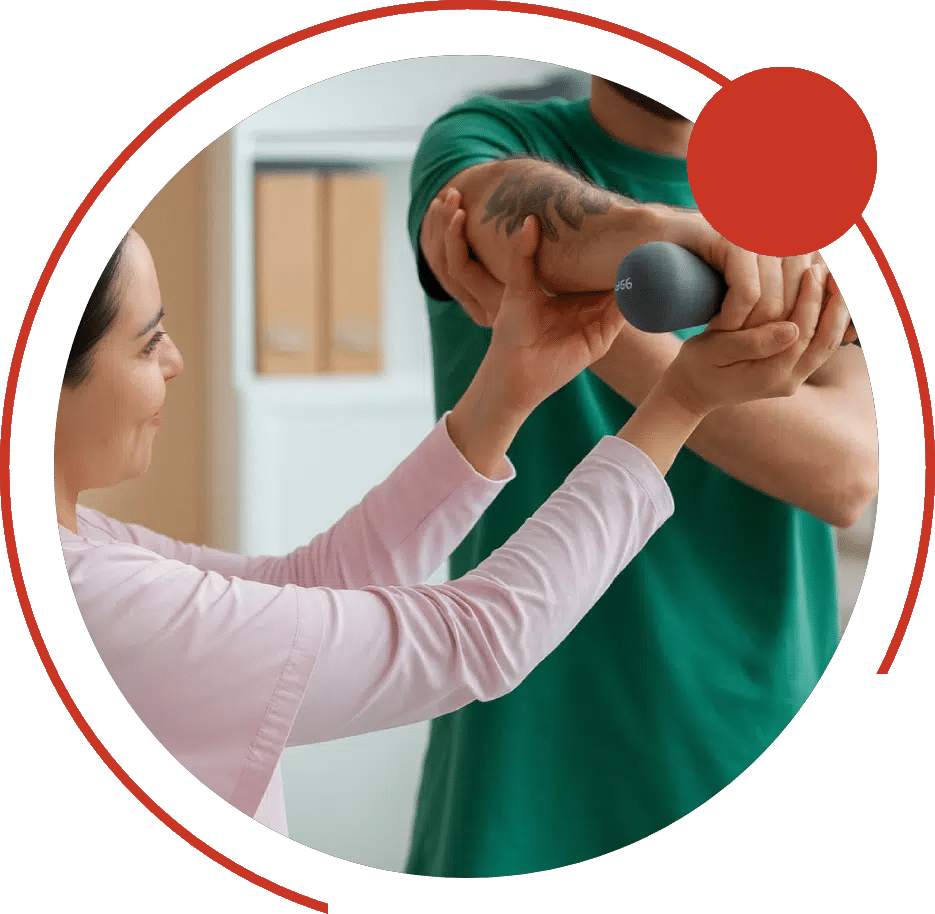
As a Certified Vestibular Rehabilitation Specialist, Dr. Phil Yoon evaluates your symptoms to find the cause and matches your treatment to it. For BPPV, physical therapists use canalith repositioning maneuvers, like the Epley maneuver. After an exam to find which canal is affected, your physical therapist guides your head through a series of positions that move the loose crystals out of the canal and back to the part of the inner ear where they belong. Many people feel significant relief within one to a few sessions.
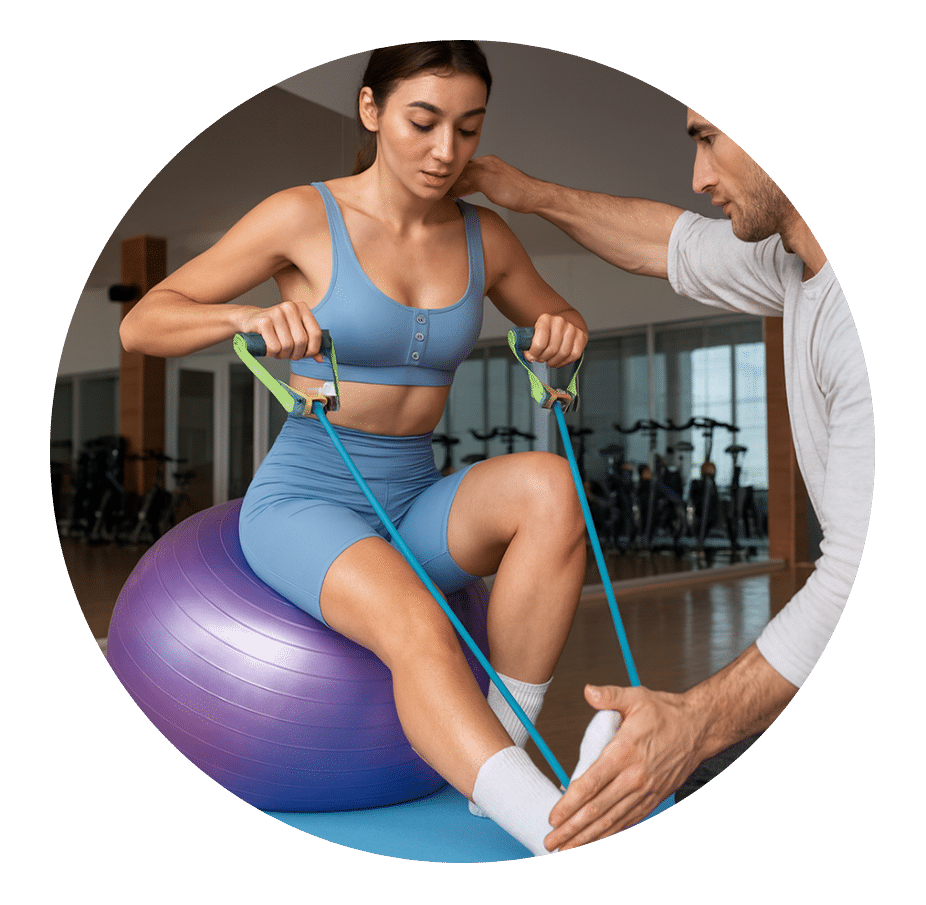
For other vestibular problems, treatment focuses on exercises that retrain your brain and balance system to work together again. As a mobile practice, we treat you at home, so you don't have to drive while you're dizzy.
Ready to stop letting dizziness control your day? Contact us for a free phone consultation and to schedule your initial appointment.
Call NowFrequently Asked Questions
BPPV often improves within one to three sessions. Other vestibular problems usually improve over several weeks of consistent exercises.
Some exercises are designed to bring on mild, brief dizziness, because that's how your brain adapts. Your physical therapist will keep symptoms at a manageable level and progress you gradually.
Yes. As a mobile practice, we come to your home, so you don't have to drive while you're dizzy. Treating you where you live also lets us work on balance in the spaces you move through every day.
If dizziness comes on suddenly with stroke warning signs, like facial drooping, arm weakness, slurred speech, or vision changes, call 911 right away. See our vertigo and balance page for the full BE FAST warning signs.
Ready to Move Better and Perform at a Higher Level?
Whether you have questions or are ready to get started, reach out and we'll get back to you promptly. You can also call or text us directly to speak with Dr. Phil Yoon.