

SI Joint and Pelvic Pain
Mobile Physical Therapy for SI Joint and Pelvic Pain in Scottsdale
We come to you in Scottsdale, Paradise Valley, Phoenix, Tempe, and Mesa.
The pelvis connects your trunk to your legs. It supports your upper body when you sit and stand and transfers weight to your legs when you walk, run, or lift. It's made up of the sacrum (the triangular bone at the base of your spine) and two hip bones, called innominate bones, which meet at the sacroiliac (SI) joints. Because the pelvis handles so much load, the SI joints and surrounding structures are a common source of pain in the low back, buttocks, hips, and groin.
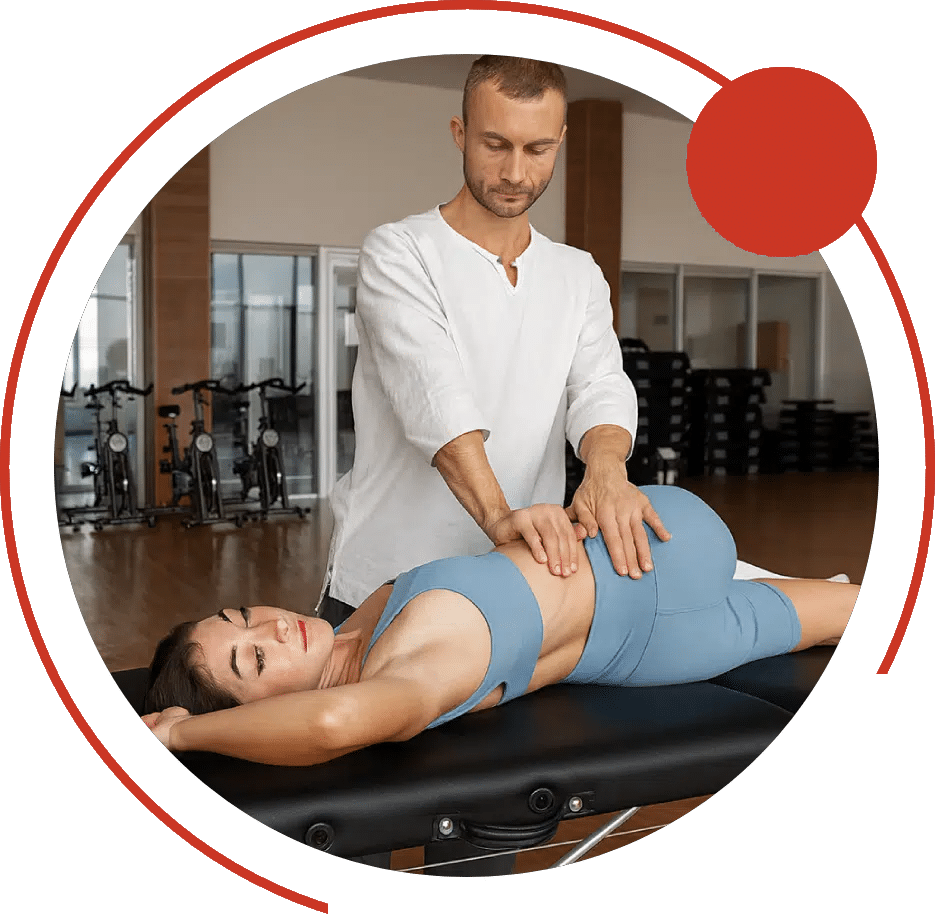
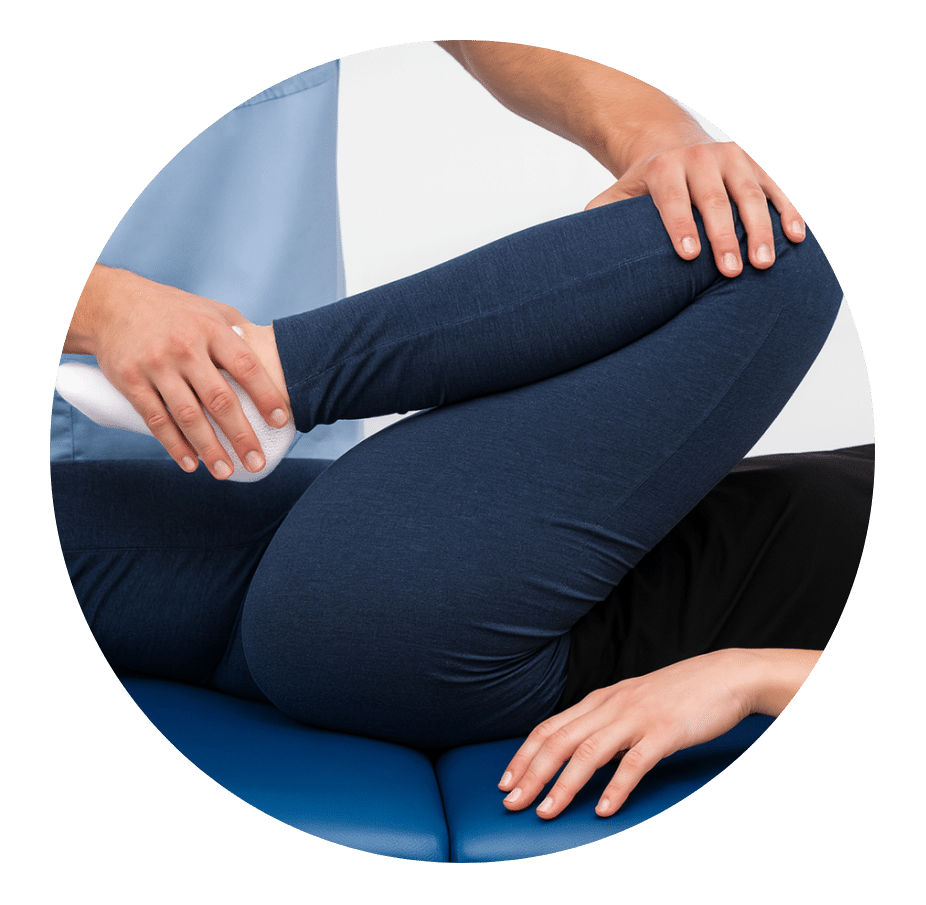
Joints of the Pelvis
Three main joints connect and support the pelvis:
 Sacroiliac (SI) joints: where the sacrum meets each hip bone, left and right
- Hip (femoroacetabular) joints: where each thigh bone meets the pelvis, left and right
- Pubic symphysis: where the two hip bones meet at the front
Together, these joints transfer weight between your trunk and legs and absorb shock with every step.
Structure and Function
Three bones (the ilium, ischium, and pubis) are fused together to form each innominate bone. The two innominate bones make up the left and right sides of the pelvis, connecting to the sacrum at the SI joints in the back and to each other at the pubic symphysis in the front to form a strong ring.
This design makes the pelvis very effective at supporting your upper body and transferring load between your trunk and legs. Those constant demands are also why it's a common source of pain. For hip joint pain, visit our hip page.
Common Causes of SI Joint and Pelvic Pain
Pelvic pain often builds from prolonged sitting or standing, repetitive movement, or uneven loading through your legs. It can also follow a fall, a car accident, or a sports injury. During and after pregnancy, hormonal changes and added load can strain the SI joints and pubic symphysis.
In grappling sports, playing guard, wide stances, and explosive hip movements can strain the groin and inner thigh muscles that attach to the pelvis.

Other causes of SI joint and pelvic pain include:
- SI joint dysfunction
- Muscle strains or tears (including groin strains)
- Pregnancy-related pelvic girdle pain
- Symphysis pubis dysfunction (SPD)
- Tendinitis
- Osteitis pubis
- Sports hernia (athletic pubalgia)
- Ligament sprains or tears
- Fractures
Common symptoms include:
- Pain in the low back, buttocks, or groin
- Pain at the front of the pelvis (pubic bone)
- Pain with walking, stairs, or standing on one leg
- Pain when rolling over in bed or getting out of a car
- Stiffness, especially after sitting
- Clicking or popping with movement
How Physical Therapy Helps You
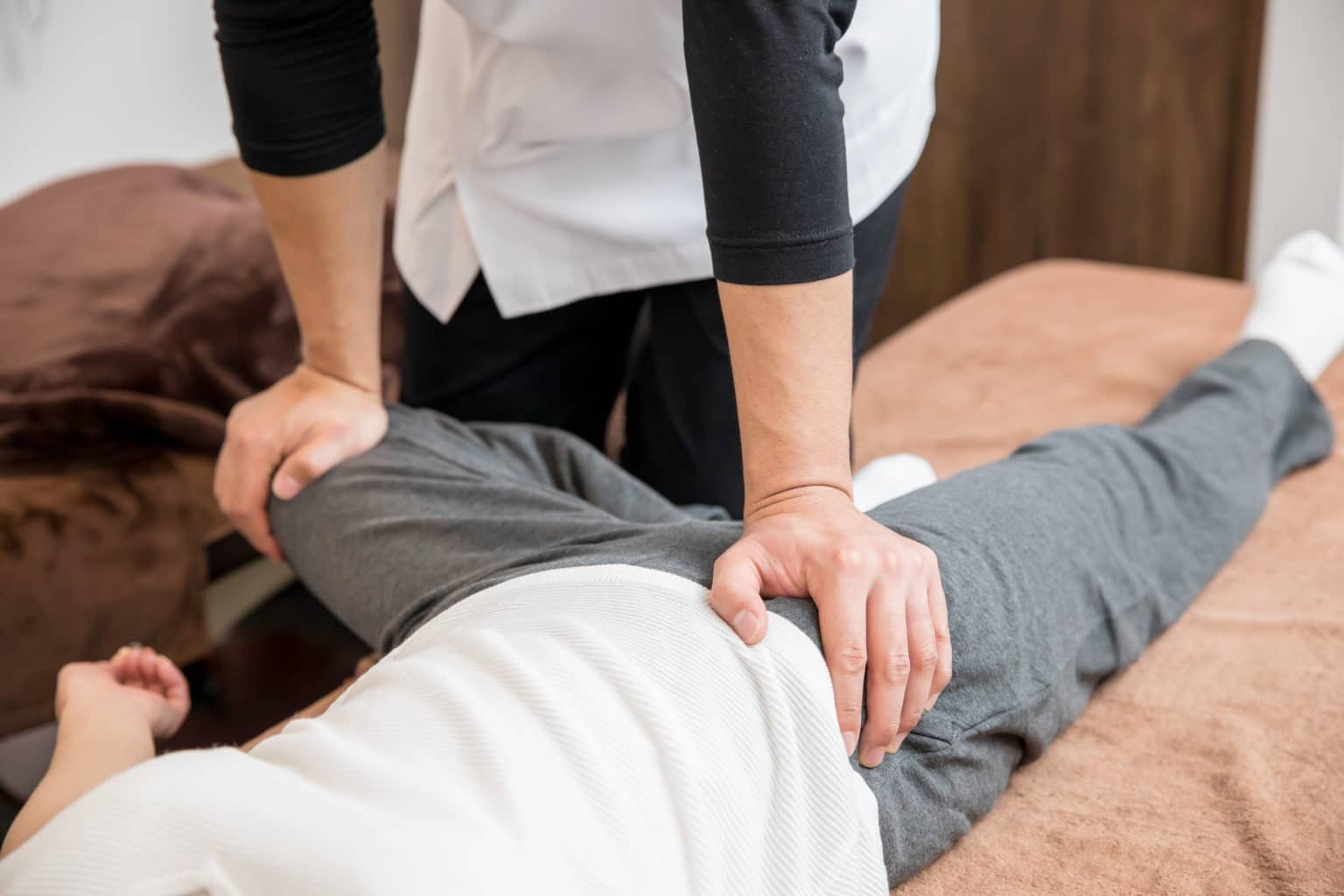
SI joint and pelvic pain can come from the joints, muscles, and ligaments around the pelvis, or from the pelvic floor. Your physical therapist will evaluate you to find the source of your symptoms, then build a plan to reduce pain, improve mobility, and restore strength. If your symptoms point to the pelvic floor and need an internal exam, we'll refer you to a pelvic floor specialist. As a mobile practice, we come to you, whether that's your home, gym, or workplace.
We also work with athletes whose sports put heavy demands on the hips and pelvis, including grapplers, Muay Thai fighters, and golfers. We build your rehab around the positions required for your sport so you can return to training with confidence.
After your initial evaluation, you and your physical therapist will set goals specific to your needs and create a plan of care to help you reach them.
Pelvic pain doesn't have to be your new normal. Contact us for a free phone consultation and to schedule your initial appointment.
Call NowFrequently Asked Questions
The pelvic region consists of the sacroiliac (SI) joints on both sides, the femoroacetabular joints (hips), and the pubic symphysis. These joints connect the trunk to the legs and provide stability, shock absorption, and weight distribution.
The pelvis is formed by the sacrum and two innominate bones. Each innominate bone is created from three fused bones: the ilium, ischium, and pubis. Together, these structures provide strong support for sitting, standing, and walking.
Pelvic pain can come from prolonged sitting or standing, SI joint dysfunction, pregnancy-related pelvic girdle pain, symphysis pubis dysfunction (SPD), osteitis pubis, sports hernia (athletic pubalgia), tendinitis, muscle or ligament injuries, fractures, falls, or accidents.
Common signs include pain in the low back, buttocks, or groin, pain at the front of the pelvis, pain with walking or stairs, pain when rolling over in bed, stiffness after sitting, and clicking or popping with movement.
A physical therapist will evaluate your condition to identify whether the pain is internal or external. If needed, you may be referred to a pelvic floor specialist. Therapy focuses on managing pain, restoring mobility, and strengthening the region so you can return to your normal activities.
Yes. Playing guard, wide stances, and explosive hip movements can strain the inner thigh (adductor) muscles or irritate the pubic symphysis. Physical therapy can shorten your recovery time by restoring mobility, rebuilding strength, and guiding a safe return to training. If you felt a pop, have significant bruising, or can't walk normally, see a doctor before returning to training.
Ready to Move Better and Perform at a Higher Level?
Whether you have questions or are ready to get started, reach out and we'll get back to you promptly. You can also call or text us directly to speak with Dr. Phil Yoon.