Sports Injuries
Mobile Sports Injury Physical Therapy in Scottsdale
We come to you in Scottsdale, Paradise Valley, Phoenix, Tempe, and Mesa.
Sports injuries can affect athletes at every level, from weekend warriors to competitive fighters and pros. They often come from overuse, poor mechanics, sudden trauma, or not enough recovery between sessions. Whether it's a sprain, strain, or nagging ache, an injury can keep you from training and performing at your best. Most sports injuries respond well to early evaluation and targeted treatment.

Why Sports Injuries Happen
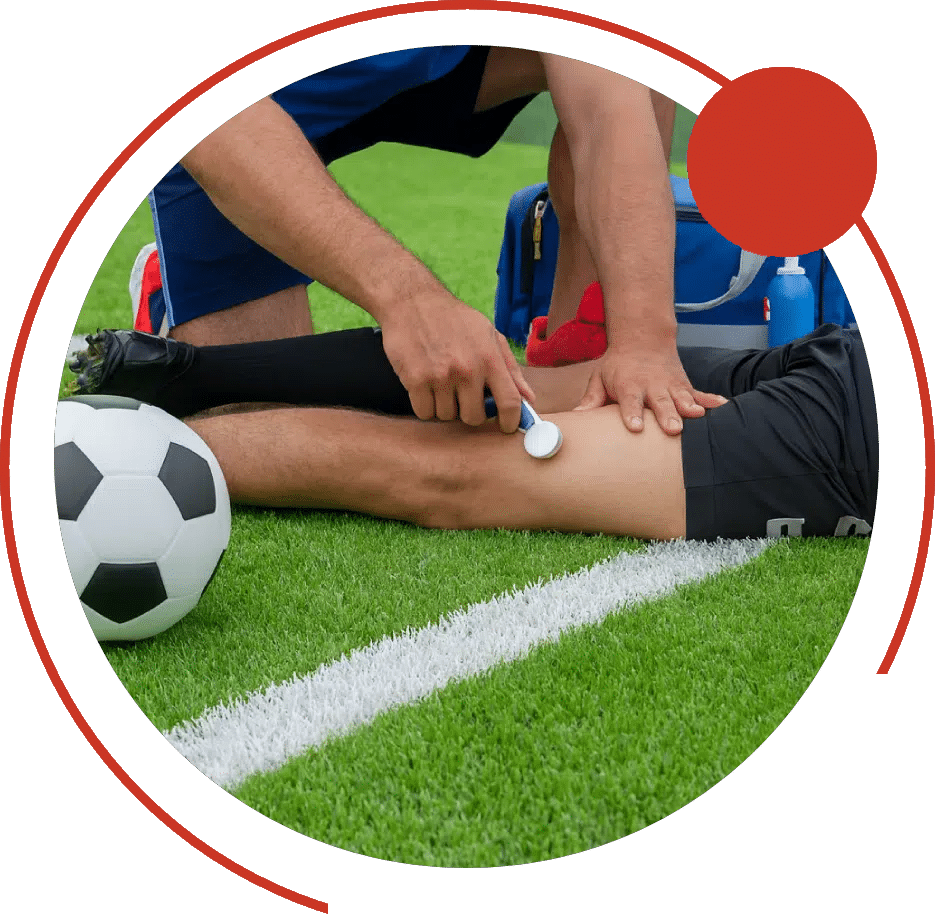
Sports injuries can involve muscles, tendons, ligaments, joints, or bones. The neck, shoulders, elbows, knees, and ankles are especially common sites, since they absorb the most stress from contact, gripping, and changes of direction.
Athletes push their bodies to generate speed, strength, and power, and that same intensity raises the risk of injury. Injuries often follow when fatigue, overtraining, or improper technique pushes your body past what it's ready to handle.
Knowing which tissue is injured and what your sport demands helps determine the right approach to recovery, whether that means calming irritation, restoring mobility, or rebuilding strength.
Combat Sports Injuries
Combat sports like Brazilian jiu-jitsu, judo, wrestling, and Muay Thai put your body in positions few other sports do. Joint locks, chokes, takedowns, kicks, and constant gripping create their own pattern of injuries, from finger and elbow sprains to neck strains, rib injuries, and knee ligament tears.
As a physical therapist who trains jiu-jitsu and has experience in Muay Thai and Tang Soo Do, Dr. Phil Yoon understands the positions, techniques, and training demands behind these injuries. Your rehab is built around getting you back on the mats, with a clear plan for when to drill, when to roll lightly, and when to return to full training.
Call NowExtreme Sports Injuries
Action sports like skateboarding, snowboarding, mountain biking, and rock climbing involve speed, height, and unpredictable terrain. Injuries often come from high-impact falls and can include wrist and collarbone fractures, shoulder dislocations, knee ligament tears, back injuries, and concussions. After a concussion, vestibular rehabilitation can help with lingering dizziness and balance problems.
Dr. Phil Yoon grew up skateboarding, has raced mountain bikes, and snowboards regularly, so he understands what these sports demand and what it takes to trust your body again after a crash. Recovery focuses on restoring strength, balance, and the quick reactions your sport requires, along with the confidence to fully commit to your movements again.
Other Common Sports Injuries

Common injuries include:
 Ankle sprains
- ACL or meniscus tears
- Rotator cuff injuries
- Shoulder dislocations
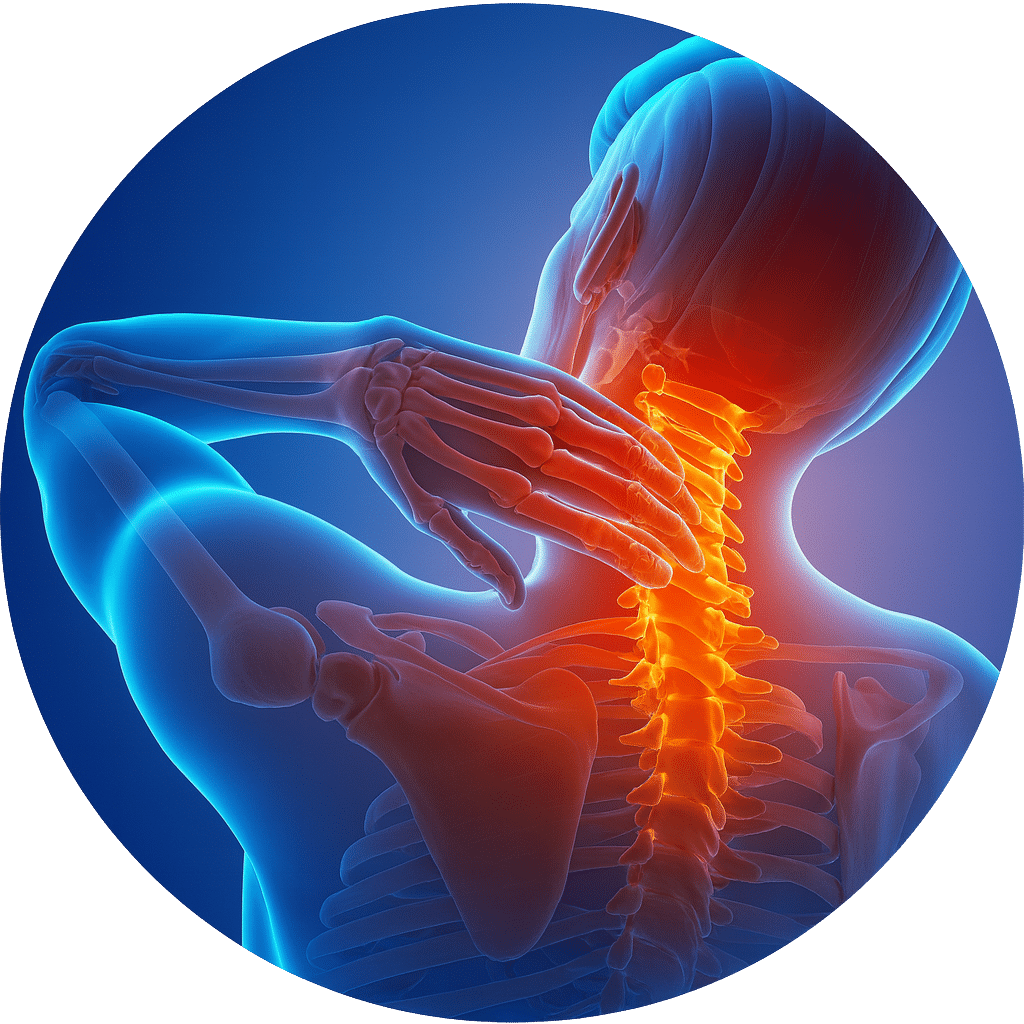
- Neck strains and whiplash
- Tennis or golfer’s elbow
- Hamstring or quadriceps strains
- Groin strains
- Shin splints
- Stress fractures
Common symptoms include:
- Swelling or bruising around the joint or muscle
- Sharp or aching pain that worsens with activity
- Instability or “giving way” in the knee or ankle
- Stiffness or reduced range of motion
- Weakness or difficulty bearing weight
- Pain that lingers or worsens over time
How Physical Therapy Helps You
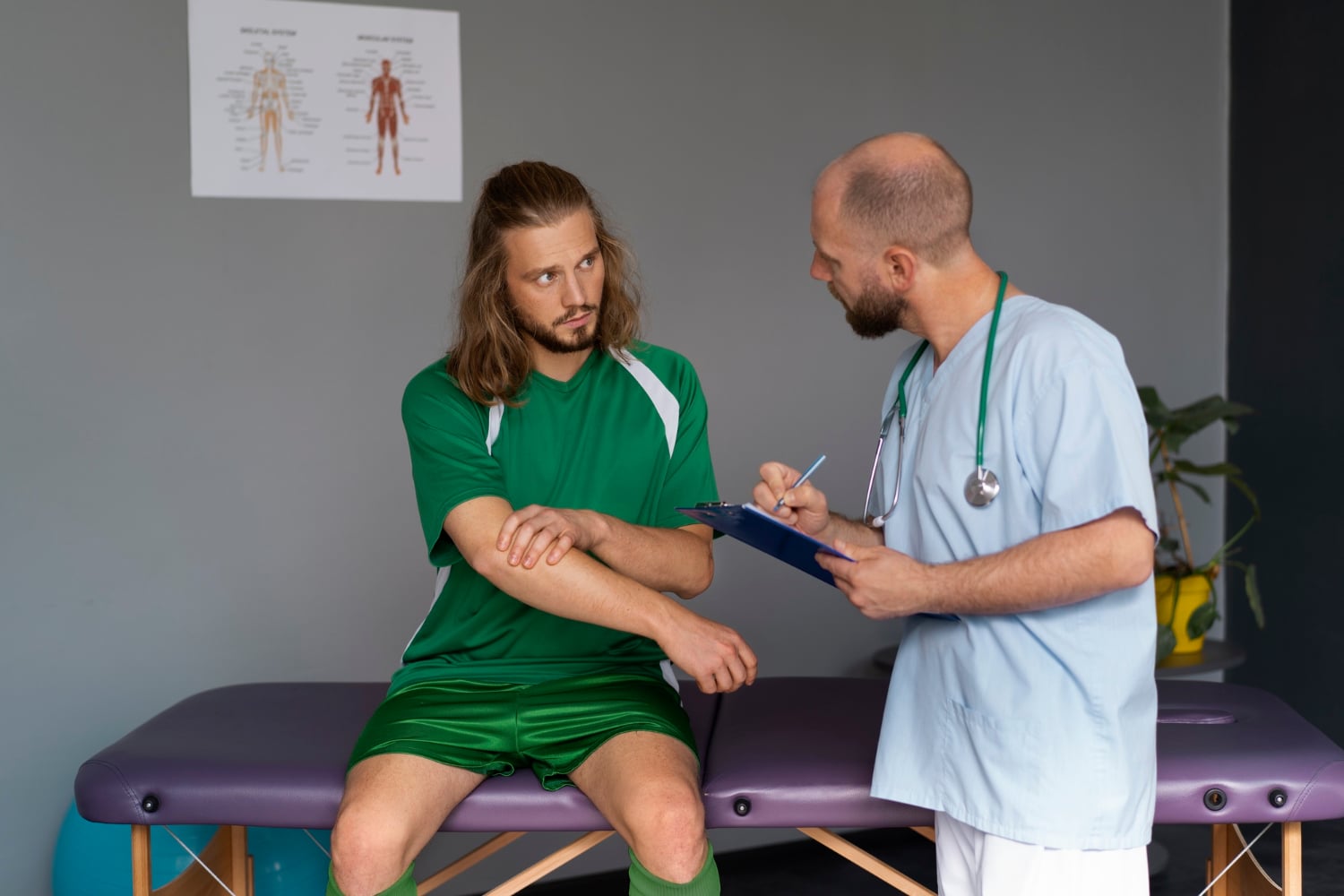
Recovering from a sports injury means more than waiting for it to heal. Your physical therapist will assess your injury, look for movement imbalances that may have contributed to it, and build a plan around your sport and goals. As a mobile practice, we come to you, whether that's your home, gym, or training facility.
Treatment often includes hands-on techniques to reduce stiffness, targeted strengthening to restore muscle balance, mobility work to prevent reinjury, and sport-specific drills to rebuild confidence in your movement. You'll also learn recovery strategies and training adjustments that lower your risk of future setbacks.
Don't let an injury keep you on the sidelines. Contact us for a free phone consultation and to schedule your initial appointment.
Call NowFrequently Asked Questions
Ankle sprains are among the most common, but injuries vary depending on the sport. Runners often face shin splints, while overhead athletes like tennis players may experience shoulder tendonitis.
Proper warm-up, strength training, good technique, and adequate recovery are key. Physical therapy can also help identify movement weaknesses that increase your risk.
It depends on the severity and type of injury. Minor strains may heal in weeks, while ligament tears or fractures may take months and sometimes require surgery.
It depends on the injury. A short period of relative rest can help right after an acute injury, but resting too long can lead to stiffness and weakness. Most athletes recover better with guided activity that keeps them moving without aggravating the injury.
Yes. Physical therapy can shorten your recovery time and address what caused the injury in the first place, so you can return to your sport safely and with less risk of getting hurt again.
Yes. Combat sports athletes are a core part of our practice. Dr. Phil Yoon trains jiu-jitsu and has experience in Muay Thai and Tang Soo Do, so your rehab is built around the demands of your sport.
Ready to Move Better and Perform at a Higher Level?
Whether you have questions or are ready to get started, reach out and we'll get back to you promptly. You can also call or text us directly to speak with Dr. Phil Yoon.